Sri Vijaya Puram, November 25: A fair is more than an arrangement of colourful stalls, exhibitions and cultural programmes. Its real success lies in the number of people it attracts, the enthusiasm it generates and the opportunities it creates for those who participate. Unfortunately, despite a commendable initiative by the Andaman and Nicobar Administration, the ongoing SARAS Aajeevika Mela at ITF Ground appears to be struggling to generate the kind of public enthusiasm that an event of this scale deserves.
Organised by the Directorate of Rural Development, PRIs & ULBs under the Andaman and Nicobar Administration, the nearly 15-day-long mela deserves appreciation. Bringing together Self-Help Groups (SHGs), rural women entrepreneurs and traditional artisans on a common platform is a meaningful step towards promoting grassroots entrepreneurship, strengthening women’s economic independence and creating better marketing opportunities for locally produced products. Such initiatives are important, particularly in an island territory where rural entrepreneurs often struggle to find wider markets for their products.
One aspect that genuinely deserves appreciation is the food section. The SHG stalls have brought an impressive variety of cuisines to the visitors. From momos, cutlets, biryani, egg rolls and hot jalebis to mocktails and Burmese delicacies, the food offerings have been a major attraction for those who have visited the venue. Many visitors who tasted these preparations reportedly wanted to return for another serving. This reflects the quality, creativity and potential of the participating entrepreneurs. The food stalls demonstrate that when products are attractive, reasonably presented and supported by good quality, customers are willing to spend.
However, the entertainment segment appears to be the weaker link. A number of visitors have expressed disappointment over the cultural programmes, pointing towards repetitive performances and familiar faces appearing on the stage under different programme titles. While encouraging local talent is undoubtedly a positive objective, repeating similar performances throughout a long-duration event can gradually create monotony. Visitors expect something fresh and entertaining whenever they visit a fair, particularly when it runs for nearly a fortnight.
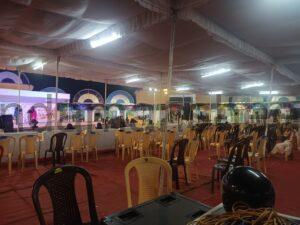
There is also a larger question that the organisers need to consider: where is the crowd?
A mela needs a certain energy. Families, youngsters, children and visitors should have reasons to spend their evenings at the venue. The presence of budding singers and dancers is important, and providing them a platform, including opportunities to perform without charging a fee, is certainly commendable. However, promoting emerging talent and attracting audiences are two objectives that must go hand in hand. One should not come at the cost of the other.
The administration could have considered inviting a few established and popular singers or performers who have a genuine audience following. They need not necessarily be celebrities from mainland India. Even popular local singers and performers with a strong following in the islands could have made a significant difference. A carefully planned combination of established performers, local favourites, emerging artists and community performances would have created greater variety and excitement.
After all, when people gather in large numbers, the benefits extend beyond the entertainment stage. More visitors mean greater opportunities for SHG stalls, better sales, increased exposure for rural entrepreneurs and a livelier atmosphere for everyone. A sparsely attended fair, irrespective of how much effort goes into its organisation, cannot fully achieve its intended potential.
The administration deserves credit for conceptualising and organising an event that provides meaningful opportunities to rural women and local entrepreneurs. However, the objective should not merely be to conduct a mela for a scheduled number of days and complete the programme. The real objective must be to make it successful for the people for whom it is organised.
A little more attention to audience preferences, stronger publicity, attractive evening programmes and a better mix of performers could significantly improve the experience.
The SARAS Mela has the right intention and an impressive foundation. What it needs now is the crowd that can turn this good initiative into a truly successful public event.