
By Dr. Dinesh
Walk into any modern store today and you’ll notice a strange irony, the smaller the product, the larger its packaging. A tiny bottle of serum comes nested inside a cardboard box, wrapped again in printed sleeves, secured with paper fillers, and finally sealed in a glossy outer carton.
It’s a classic case of a packet inside a packet inside another packet, a wasteful cycle of cardboard, paper, wood, plastic, and human effort, all to make the product look “premium.”
The tragedy? People immediately tear it open and throw away the cover without even glancing at the fancy text printed on it. The same information, ingredients, directions, brand message, is usually already on the original tube or container. All that extra packaging design, cost, and material end up in the bin within seconds.
This excessive layering adds neither quality nor hygiene. It simply adds cost, clutter, and carbon footprint. From forests felled for packaging paper to fuel wasted in transporting bulkier boxes, the environmental price of “visual appeal” is enormous.
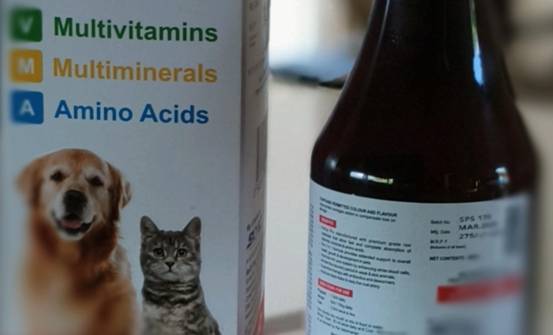
The problem extends far beyond cosmetics or consumer goods. Pharmaceutical and food industries are equally guilty. A strip of tablets sealed in foil is placed in a carton and then wrapped again in plastic. Snack packets and ready-to-eat meals often come with multiple layers of pouches, trays, and boxes, all discarded minutes after purchase. Safety and hygiene are crucial, yes, but they don’t demand redundant wrapping.
Multi-layer packaging doesn’t just burden the planet, it burdens the pocket too.
Every additional layer means extra raw material, design, printing, and transportation costs, all of which eventually get passed on to the consumer. A carton within a box within another wrapper multiplies the cost of packaging, storage, and shipping, even though it adds no real value to the product itself. Manufacturers often justify these layers as part of “premium branding,” but in reality, consumers are paying more for waste they immediately throw away. Streamlining packaging could make products not only more sustainable but also more affordable.
Why can’t products be sold in a single, practical, and protective pack, minimal yet functional? A shampoo bottle, a biscuit packet, or a medicine strip doesn’t need a decorative outer shell to prove its worth. What matters is what’s inside, not how it’s wrapped.
Brands justify multi-layer packaging as “branding” or “customer experience.” But in truth, much of it is marketing strategy, designed for shelf impact and social media photos rather than real utility. Fortunately, consumers are becoming more conscious. Many now ask, “Do I really need three layers of waste for a 50-gram product?”
India already has laws aimed at curbing this wasteful trend.
Under the Plastic Waste Management Rules, 2016 and its amendments, the manufacture and use of multi-layered plastic packaging that cannot be recycled or repurposed is to be phased out. Producers and brand owners are legally bound under Extended Producer Responsibility (EPR) to collect and manage the plastic waste generated by their products. Complementing this, the Andaman & Nicobar Administration has gone a step further, issuing notifications that ban single-use and multi-layered plastic packaging materials within the islands. This proactive move highlights how local enforcement can set an example for the rest of the country, but stronger national compliance and viable alternatives are still needed to make the rule effective.
It’s time industries adopt eco-intelligence over aesthetics, using recyclable, biodegradable, or reusable materials and eliminating unnecessary layers. Sustainability doesn’t mean ugliness; it means smart, responsible design.
After all, true innovation lies not in how much you add, but in how much you can reduce. Small and medium industries in the Andaman & Nicobar Islands can take the lead, a small step here could become a giant leap at the national level, especially if the government supports it through awareness campaigns and national media outreach.


