Vikramaditya
Sri Vijaya Puram, Sept 22: The recent communication blackout in Nancowry and Great Nicobar Islands has once again underlined the vulnerability of relying on a single optical fiber cable (OFC) system for the entire Andaman & Nicobar chain. Because of the present crisis, thousands of residents were cut off from the outside world, with banking, digital transactions, mobile services, and even basic communication collapsing overnight. Such incidents raise a critical question—should the Islands continue to depend on a single OFC link, or is it time to build redundancy?
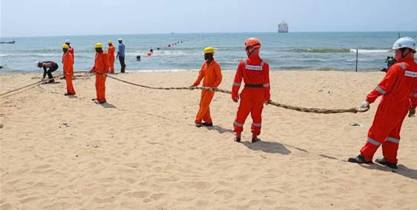
The CANI project, commissioned on 10th August 2020, marked a milestone in the Islands’ digital journey. It connected Chennai to Port Blair and further extended seamless internet connectivity to seven islands, sparking hope for a stronger tourism sector and attracting attention from IT & ITeS investors. With high-bandwidth internet, opportunities opened up for local educated youth, reducing the compulsion to migrate to mainland cities like Chennai or Bengaluru in search of employment.
However, the current crisis demonstrates that a single cable, no matter how advanced, cannot provide long-term assurance. Experts have long warned that outages—even brief ones—can paralyze essential services such as e-banking, e-governance, e-learning, e-procurement, and trading. The economic and social costs of such disruptions are immense, as witnessed during the blackout in Great Nicobar where QR-based payments failed, ATMs shut down, and businesses ground to a halt.
Against this backdrop, a second OFC link, potentially along the Diglipur–Digha route, emerges as a logical safeguard. This route is considered the shortest possible connection to the mainland and could provide an alternate digital lifeline if the Chennai–Port Blair link fails. By creating system redundancy, the Islands can insulate themselves against future blackouts, instill confidence among investors, and guarantee uninterrupted services for residents.
The debate is no longer about luxury versus necessity. For a region aspiring to strengthen its digital economy and ensure resilience in times of crisis, an additional OFC line may well be the answer to securing its future.