
John Wilbert & Vikramaditya
Port Blair, June 28: Over the past few years, an increasing number of people in Andaman and Nicobar Islands have been grappling with chronic kidney diseases. Unfortunately, due to the unavailability of treatment facilities in their locality, many patients have had to discontinue their treatment, leading to tragic outcomes.
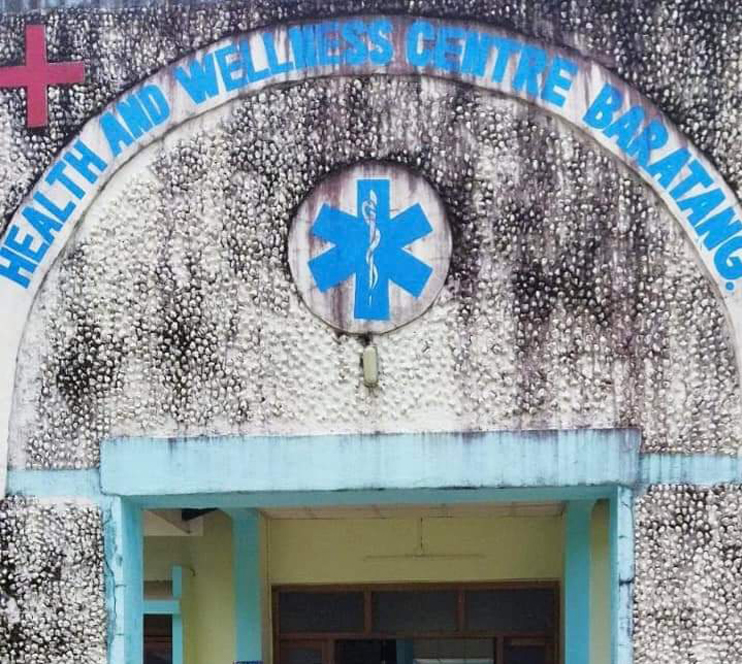
Talking to Andaman Sheekha Daily, Mr. Alagerswamy, Zilla Parishad Member of Baratang Island, expressed concern over the situation in Baratang and Kadamtala region. He revealed that around 20 kidney disease patients from these areas have to undertake journeys to Rangat or Port Blair twice a week for dialysis treatment. He said that even the journey is 2 to 3 hours long but due to bad road and convoy restrictions, delay in vehicle ferry etc make things too difficult for patients. “The financial burden and the physical strain of routine travel have posed huge challenges. Taking a patient to Port Blair from Baratang for Dialysis costs nearly Rs. 3000 by van and for Rangat it costs nearly Rs. 2000 per trip,” he said.
He added that people living in interior villages of Baratang and Kadamtala are the worst sufferers. In light of this, the villagers of Baratang and Kadamtala earnestly request the Andaman and Nicobar Administration to establish a Dialysis Unit in the local Primary Health Center (PHC), ensuring accessible treatment for the residents.
A resident of Middle Andaman highlighted that to provide proper treatment for their parents, they had to exhaust their savings and monthly income, traveling to hospitals in Rangat or Port Blair. The process involved a three-day stay, including expenses for accommodation and food.
When contacted, senior doctors and health experts of Andaman and Nicobar Islands suggested exploring alternative solutions, such as mobile dialysis units. These units, also known as mobile dialysis clinics, can deliver kidney dialysis treatments on-site. They would be particularly beneficial for at-risk groups living in remote regions, care homes, and low-income communities.
“By establishing a schedule based on the number of patients in each village, these mobile units can efficiently provide healthcare services,” he added.


