Sri Vijaya Puram, Oct. 9:The Administration’s much-publicized plan to launch a fortnightly round-voyage cruise to Barren Island—India’s only active volcano—has sparked mixed reactions across the Islands. While the initiative has been widely welcomed as a milestone in tourism development, civil-society representatives and political voices have raised serious concerns about the steep ticket fares, demanding a subsidized rate for island residents.
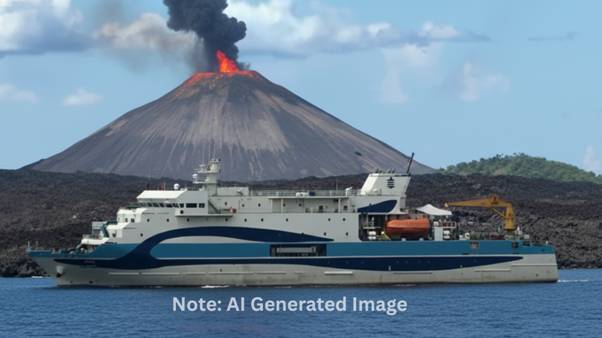
The Directorate of Shipping Services (DSS), under the Andaman & Nicobar Administration, recently announced the introduction of a new cruise service from Sri Vijaya Puram to Barren Island, with the inaugural voyage scheduled for October 24, 2025. The journey, which offers passengers a close-up view of the spectacular volcanic landscape, will operate fortnightly from Haddo Wharf and return the following day.
According to the official schedule, tickets will be available through the DSS e-ticketing portal from October 11, with fares ranging from Rs.3,180 for dormitory berths to Rs.8,310 for luxury suites. An additional Rs.2,000 meal coupon is also applicable per passenger. Officials said the cruise marks “a pivotal development in the tourist sector,” promising a safe and memorable voyage for travelers.
However, within hours of the announcement, several public organizations expressed dismay at what they described as “exorbitant” rates, claiming the service—meant to boost tourism—has inadvertently priced out the very residents of the Islands.
In a strongly worded statement, Mr. D. Ayyappan, State Secretary of the CPI (M), criticized the Administration for “commercializing even natural disasters.”
“The present regime has stooped to such an extent that they are now selling the disaster,” Ayyappan said. “The tariff is too high and an ordinary family cannot afford it. Poor people should also get an opportunity to see this geographic phenomenon. Everything is being viewed through a commercial lens, with the motive of squeezing the people,” he alleged.
He further cautioned that such services, once profit-driven, could soon be “handed over to private operators,” thereby eroding public accessibility. Mr. Ayyappan has urged the Administration to introduce special concessional fares for island residents, particularly schoolchildren, students, and low-income families.
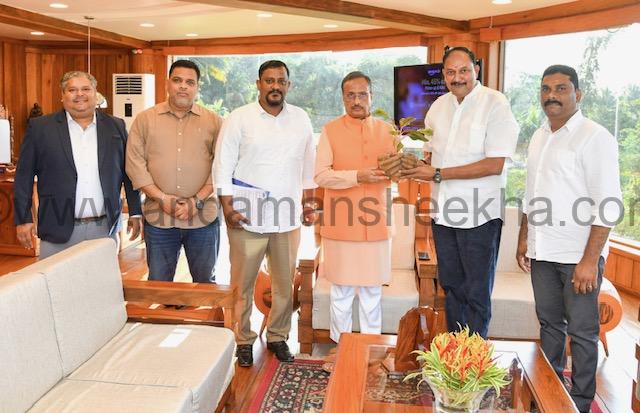
In a more conciliatory response, Mr. Angshuman Roy, State Youth President of Hindu Rashtra Shakti, praised the Directorate of Shipping Services via Andaman Sheekha for launching the unique cruise but also echoed concerns about affordability.
“While this step is a commendable milestone in boosting tourism and allowing citizens to witness the only active volcano in India, the fare structure appears too high for many islanders, students, and budget travellers,” Mr. Roy said.
He recommended a fare revision and the introduction of subsidized rates for local residents. “A lower fare policy will ensure that more tourists—including locals—can experience this natural wonder. It will also stimulate the local economy through greater participation in hospitality, transport, and retail sectors,” he said.
Mr. Roy added that “more tourists mean more growth” and appealed to the Administration to consider an inclusive pricing model that supports both economic and social objectives.
The Barren Island cruise has long been envisioned as a premium experience for nature enthusiasts and travellers. Yet, as public sentiment indicates, the question of accessibility remains central.
Civil-society groups argue that islanders deserve preferential or subsidized ticket rates, similar to the concessions historically extended in inter-island and mainland passenger services.
Many residents believe that tourism initiatives should not create a divide between locals and visitors. “When the sea, the volcano, and the islands belong to all of us, the opportunity to witness their beauty should not come at a price only a few can afford,” said a resident from Diglipur.
As anticipation builds for the cruise’s maiden voyage on October 24, the debate over affordability underscores a broader challenge for the Islands—how to balance tourism development with equitable public access.