Rahul Singh
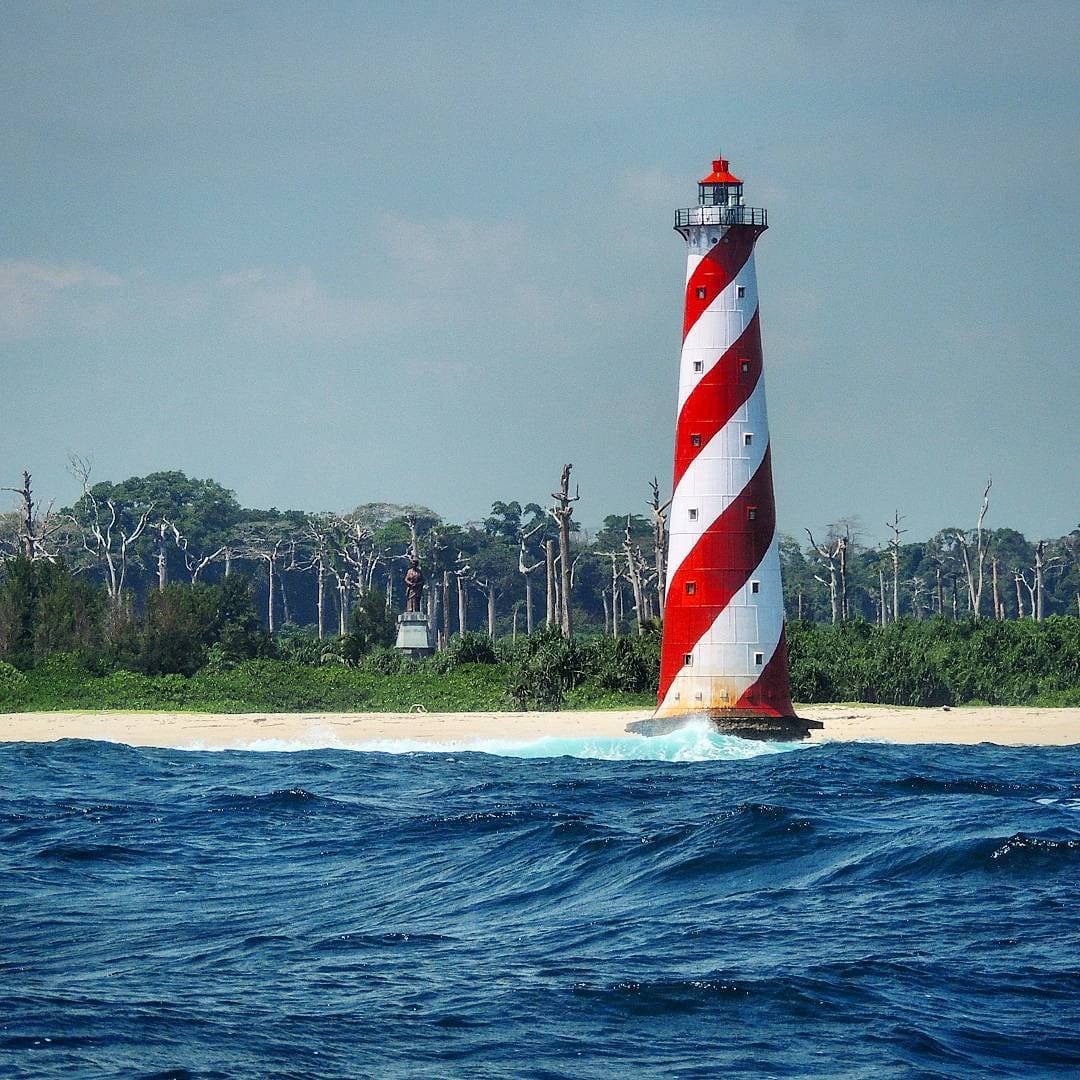
Sri Vijaya Puram, Apr 09: Indira Point—once a symbol of opportunity and tourism-driven growth in the remote region of Campbell Bay—has now become the center of growing discontent, as recent administrative restrictions have severely impacted local livelihoods.
Until early March 2026, visitors—including government officials, local residents, and domestic tourists from mainland India—could freely access Indira Point without requiring any special permits. The area, along with nearby destinations like Galathea Bay, served as a key attraction, driving tourism and sustaining the local economy.
However, following an FIR registered on March citing alleged trespassing incidents, authorities imposed strict movement restrictions across the Indira Point– Galathea region. Since then, entry into these areas has been regulated under a tribal pass system controlled by the Sub-Divisional Magistrate (SDM) office.
Under the new system, even local residents must submit formal applications to obtain travel passes. Tourists are also required to secure prior approvals, with no clearly defined timeline for issuance. The discretionary nature of the process has led to uncertainty, delays, and widespread frustration.
The impact on the local economy has been immediate and severe. Many tourists who had pre-booked visits to Great Nicobar to see Indira Point and Galathea Bay have cancelled their trips due to the new restrictions. As a result, businesses dependent on tourism—including transport operators, small logistics providers, and hospitality services—have come to a near standstill.
“Youth here are the worst affected,” said a local resident. “Many had taken vehicle loans expecting steady income from Tourist movement. Now, with no tourists, they are struggling even to pay EMIs.”
The situation has raised serious concerns about unemployment and financial instability among the local population, particularly those directly dependent on tourism for their daily income.
Residents are now urging the administration to adopt a more streamlined and transparent system. Suggestions include implementing a regulated entry model similar to convoy-based travel systems used in other restricted regions—where visitors can apply, submit identification, and receive timely approvals without uncertainty.
Locals believe such a system would balance security concerns while allowing economic activity to resume, providing much-needed relief to affected families.
As frustration grows, the question remains whether the administration will take timely steps to address the crisis or allow the situation to further strain the fragile economy of this remote island region.


