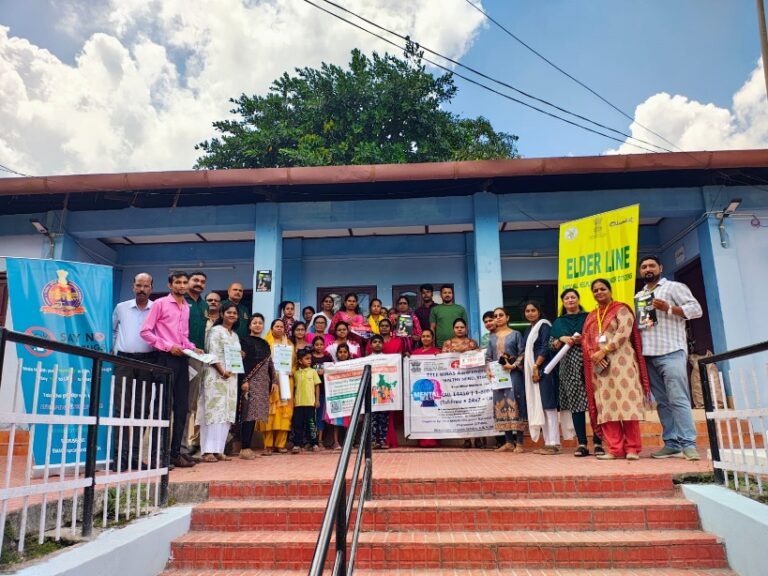
Port Blair, May 15: Bio-security is the best way to protect poultry from pathogenic virus, bacteria, fungus and parasites. We must have understood the depth, width, and significance of bio-security measures under lockdown to protect us from COVID 19. Bio-security measures are now our part of life and inbuilt of our day to day activities. Similarly, equal importance should always be given to the rural poultry for the bio-security measures.
Rural poultry plays and important role to secure the nutritional security by providing meat and eggs for remotely located farmers during lockdown period. Hence, securing the health of rural poultry is need of the hour in these Islands. Rural poultry are the primary and cheap source of animal protein among the rural farming community. Rural poultry production is practiced in most rural and peri-urban areas of the world and is mainly based on the rearing of native poultry breeds. Acute heavy mortality is ever increasing and became a menace among rural poultry.
Diseases could attack birds at all ages and it is much easier among rural poultry as they are let all the time freely. Outbreak of disease in an area is quickly spread to the birds of other places as they are all at free range always together. On exposure to infected birds, healthy birds may be able to fight against the diseases to some extent whereas unhealthy birds will have difficulties in fighting diseases and succumb to diseases very quickly. However, appropriate health management will prevent the occurrence of many diseases and will produce safe poultry produce to safeguard human health in turn. Common diseases among rural poultry are Newcastle Disease (Ranikhet Disease, RD), Gumboro (Infectious Bursal Disease, IBD), Pullorum disease (Baciillary white diarrhoea), Chronic respiratory disease (Mycoplasmosis), Fowl Pox, Salmonellosis, Escheriosis, Coccidiosis, Worms and External Parasites. Vaccination is an effective means to prevent the adverse effects of specific diseases in poultry. All these organisms except viruses are treated by medicines. Control of viral diseases is dependent upon prevention through vaccination.
It is general impression among farmers that broilers and vanaraja birds are to be vaccinated. But rural poultry should also be vaccinated to prevent the acute mortality among desi birds that is common among desi birds. Broilers, vanaraja birds and desi birds should be vaccinated against two common viral diseases of Ranikhet disease and Infectious bursal disease. Vaccines viz., RDVF1 (1-2 eye/nasal drops) at the age of 5-7 days, IBD (1-2 eye/nasal drops) at 12-14 days, Lasota (in drinking water) at 22-24 days, IBD booster (1-2 eye/nasal drops) at 4th week, RDVF2 at 8th week are to be administered. Lasota vaccine should be continued once in two months. Deworming should be given at 7th week and should be repeated every two months.
Each vaccine is designed for a specific route of administration. Use only the recommended route. Do not vaccinate sick birds. Protect vaccines from heat and direct sunlight. Most vaccines are living, disease-producing agents. Handle them with care. When using the drinking-water method of vaccination, be sure the water is free of sanitizers and chlorine. Live-virus vaccines are readily destroyed by these chemicals.
After vaccinating, all opened containers should be burned or disinfected to prevent accidental spread to other poultry. All vaccines should be used as per the instructions of veterinary clinicians. Prevention is better than cure.
The preventive measures are: Elevated poultry housing of one ft from ground level will prevent rural poultry from direct contact with their feacal material and them from exposure to water logging; daily cleaning of poultry house; Clean water from a well, not a pond, is important to avoid the spread of waterborne diseases; Mix a pinch of bleaching powder in a bucket full of water and keep it overnight. Provide that water for birds next day; It is important to isolate unhealthy or sick birds from the healthy flock in order to prevent the transmission of diseases from sick to healthy birds; Sprinkle lime powder at least once in a week around the house; Fumigate the house once in two months with potassium permanganate (20 gm) and formaldehyde (40 ml); During the common problem of eye infection of desi birds, mix a pinch of potassium permanganate in water or boil turmeric powder and wash the eye discharge with those solutions; Soak in water whole night or boil the crushed neem leaves and filter it and provide that neem extract and decoction made out of turmeric powder to the birds regularly to enhance their immunity; In case of serious diseases slaughter the bird. If you do not kill it the bird at once, it must be separated from the others; Sick birds (or parts from sick birds) should be burned or buried deep enough to avoid that dogs and other animals dig them up and spread the disease; If there are many sick animals/birds, new birds should not be introduced and do not be vaccinated; Vaccinate all birds against RD and IBD on a regular basis to prevent high mortality.