Sheekha Bureau
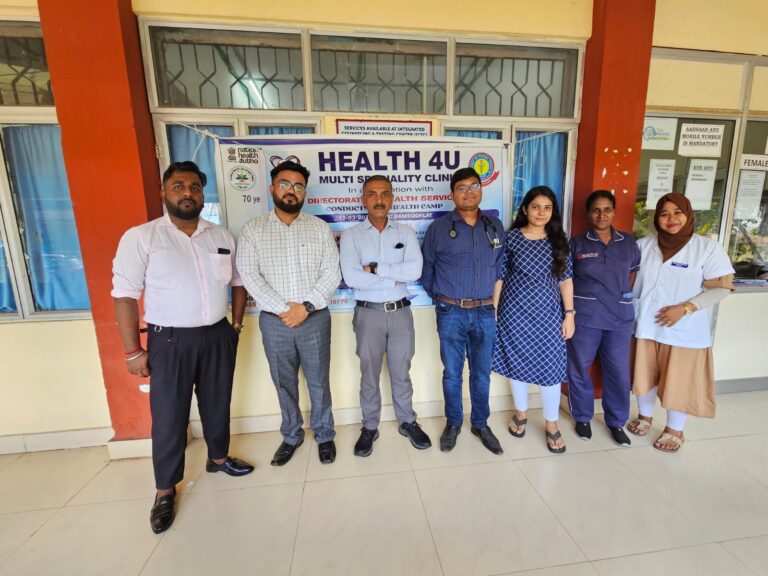
Coonoor, March 13: A delegation of media representatives from the Andaman and Nicobar Islands visited the historic Pasteur Institute of India in Coonoor on 12 March as part of a study tour aimed at understanding the institute’s work in vaccine research, manufacturing and disease prevention. The visit provided the delegation with an opportunity to learn about the institute’s scientific activities and its long-standing contribution to vaccine development in the country.
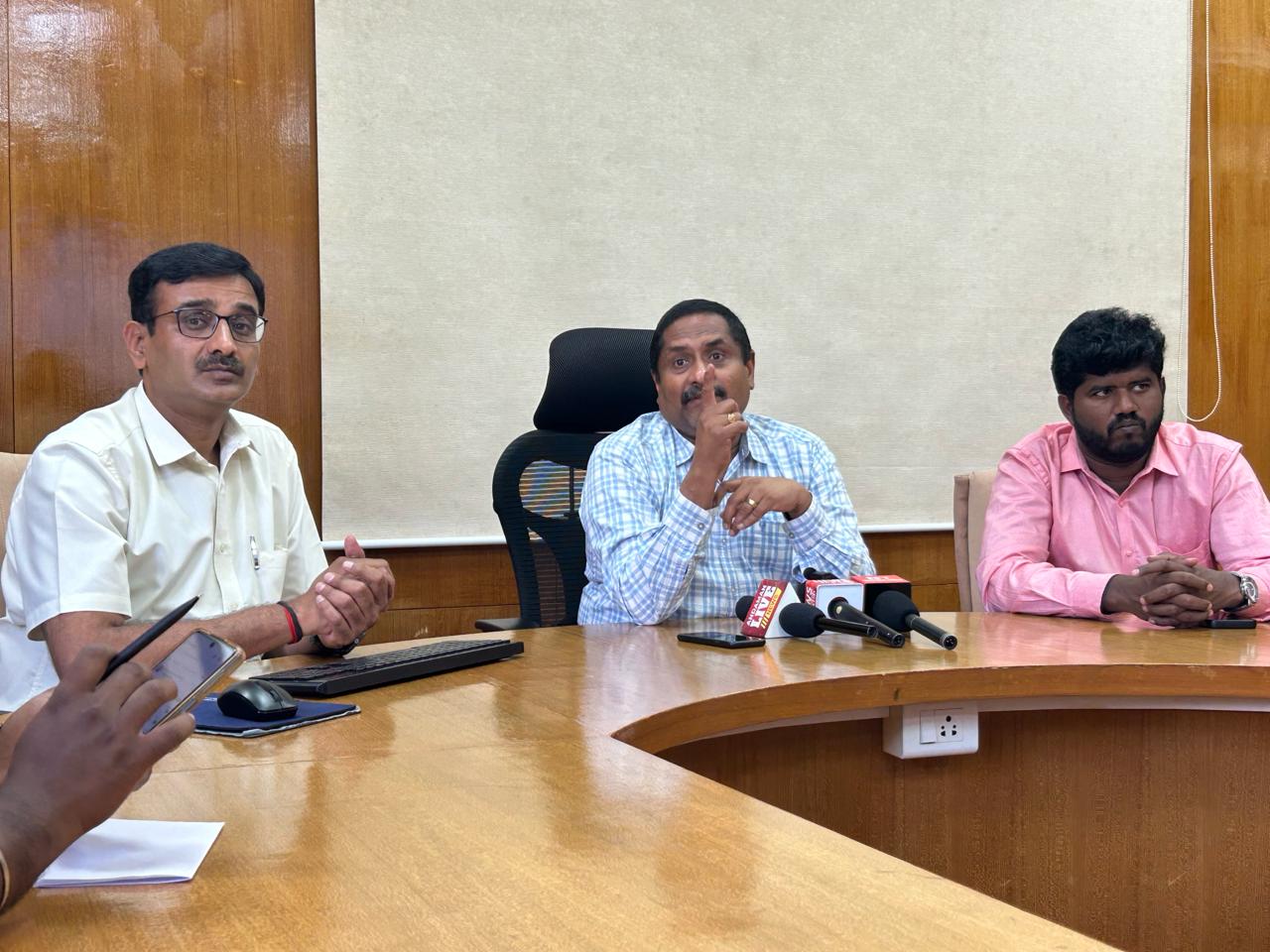
During the visit, officials of the institute briefed the delegation about its research programmes, vaccine manufacturing processes and the role it has played in producing vaccines for major infectious diseases. The delegation also interacted with Dr. S. Sivakumar is the Director of the Pasteur Institute of India and senior scientists, who explained how vaccines were produced in the past and how the institute plans to expand its manufacturing capabilities in the coming years.
One of the key topics discussed during the interaction was rabies, a viral disease that affects all warm-blooded animals and is mainly transmitted through the saliva of infected animals, most commonly through dog bites. Experts at the institute explained that once the rabies virus enters the body, it travels through the nervous system to the brain, where it multiplies and damages neural tissue. Once the central nervous system is affected, survival chances are extremely low, making prevention and timely treatment crucial.
The experts also spoke about the situation in the Andaman and Nicobar Islands, where rabies has not been reported so far. They advised that strict precautions must be maintained to keep the islands rabies-free. According to them, authorities should ensure that any animals brought from the mainland, particularly dogs and cats, are properly vaccinated and accompanied by valid vaccination certificates from recognized institutions. Proper verification of such certificates is essential before allowing animals to enter the islands.
The scientists also highlighted the importance of immediate first aid in the event of an animal bite. Washing the wound thoroughly with plenty of water and seeking prompt medical attention for anti-rabies treatment can significantly reduce the risk of infection.
The Pasteur Institute of India, located in Coonoor in Tamil Nadu, is one of the country’s premier government institutions dedicated to vaccine research and production. Functioning as an autonomous body under the Ministry of Health and Family Welfare, Government of India, the institute has played a pioneering role in the development and supply of vaccines for several decades.
The institute traces its origins to 1907, when it was established as the Pasteur Institute of Southern India following the death of a young woman who could not receive timely anti-rabies treatment. Over the years, it has achieved several milestones in vaccine research and manufacturing, including the production of anti-rabies vaccines, influenza vaccines and oral polio vaccines.
In 2001, the institute developed a purified rabies vaccine derived from Vero cells for human use at an affordable cost, becoming the first government-controlled institution in India to do so. The move significantly helped reduce the cost of rabies vaccines in the country.
Today, the institute operates modern facilities for the production of DPT group vaccines and has an installed capacity of around 130 million doses. Its laboratories are equipped with advanced technology and equipment used for large-scale vaccine production and research.
The institute is also involved in academic activities, including doctoral research in microbiology, biochemistry and biotechnology. In addition, its anti-rabies treatment centre, established in 1907, continues to treat animal bite cases and collect important epidemiological data.
Looking ahead, the institute plans to expand its capabilities further by establishing new biosafety level facilities for the production of viral, bacterial, conjugate and recombinant DNA vaccines. These developments are expected to strengthen India’s vaccine security and preparedness for future public health challenges.
The visit provided the Andaman media delegation with valuable insights into vaccine research and public health preparedness, particularly in understanding the importance of maintaining strict preventive measures to keep regions like the Andaman and Nicobar Islands free from rabies.